
There’s something strange happening in coffee shops lately.
Half the people inside aren’t even really there for the coffee.
They’re there to work. To read. To decompress. To sit near other humans without having to interact with them. Some people stay for hours with one drink and noise-cancelling headphones on. Others quietly people-watch while pretending to answer emails they stopped caring about 20 minutes ago.
Somehow, cafés became the place modern life accidentally rebuilt community. Not loudly. Not dramatically. Just softly.
The Death of Traditional Social Spaces
For years, social life used to revolve around obvious places: pubs, bars, clubs, offices, shopping centres, even random high streets.
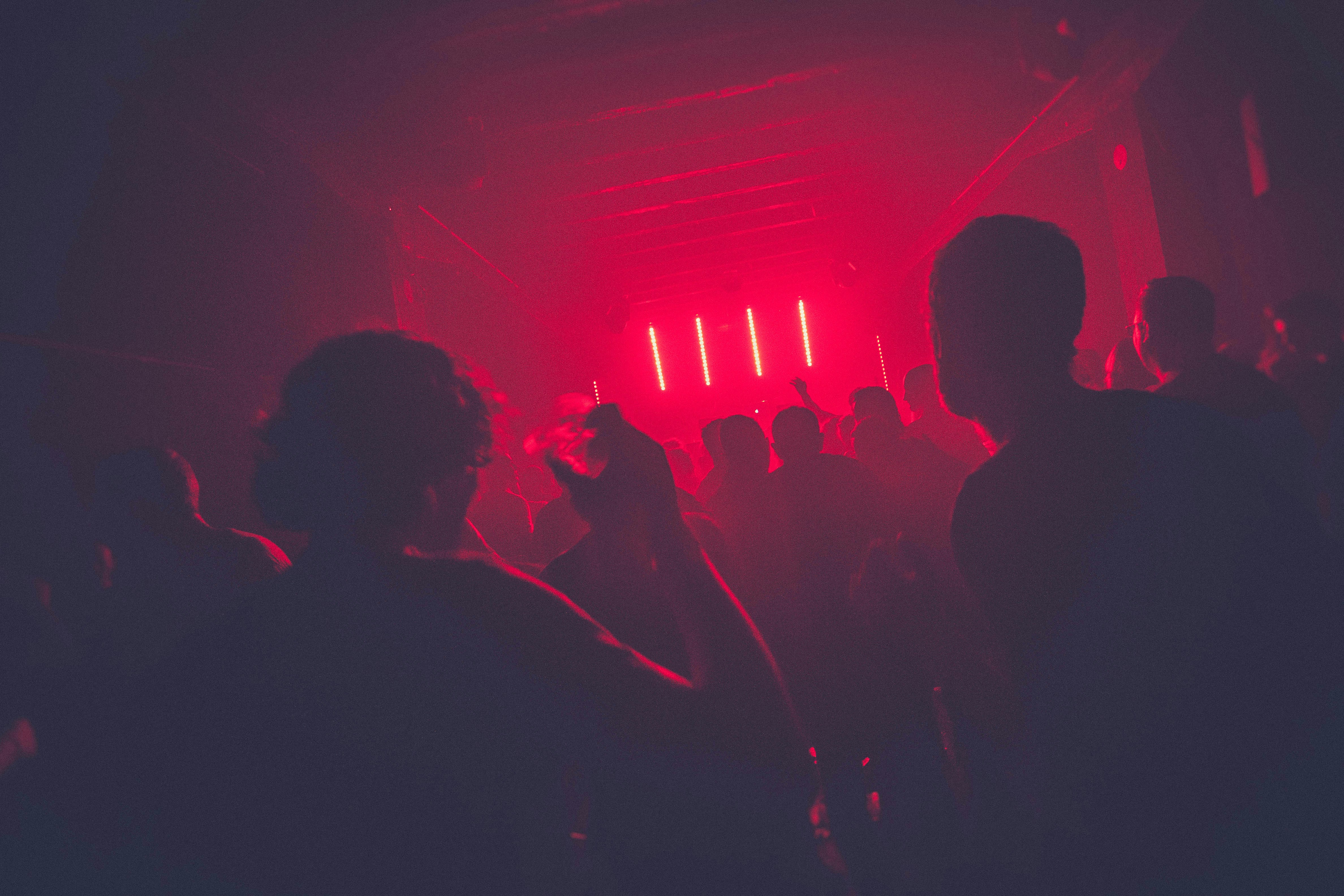
Pubs used to be the automatic answer to boredom. You’d finish work, message a few people, and end up somewhere noisy for a couple of hours without overthinking it. Clubs had a similar role too. Even if they were chaotic, they still gave people a sense of energy, spontaneity, and shared experience.
Offices quietly did the same thing. A lot of people didn’t realise how much daily social interaction came from seeing the same faces regularly, having quick conversations between meetings, or simply existing around other people during the day.
Now a lot of those spaces feel different. Pubs are more expensive. Clubs feel less appealing to people already burnt out from constant stimulation. Offices became hybrid, remote, or disappeared completely for some workers.
A lot of modern social life lost its natural gathering spaces without people fully noticing it happening.
Coffee shops stepped into that gap. Not as full social venues. More like emotional middle ground.
People Want Presence Without Pressure
That’s probably the biggest shift.
A lot of people don’t necessarily want constant interaction anymore. They just don’t want isolation either.
Coffee shops offer something weirdly specific: you can be alone without feeling alone.
There’s no pressure to socialise. No expectation to perform. No obligation to stay. No requirement to explain yourself.
You can sit in silence around strangers and somehow still feel connected to life outside your flat.
That feeling matters more than people admit.
The Rise of Solo Coffee Culture
Ten years ago, sitting alone in a café sometimes felt awkward. Now it feels normal. Even comforting.
People bring laptops, books, journals, cameras, sketchpads. Some are working. Some are healing from burnout. Some are just trying to get out of the house for an hour before their screen time report reaches morally concerning levels.
Entire routines now exist around café culture: “little treat” coffee runs, Sunday reset cafés, matcha walks, reading dates alone, aesthetic productivity sessions, quiet morning routines.
It’s less about caffeine now and more about atmosphere.
Coffee Shops Became the Modern Third Place
Sociologists have long talked about the idea of a “third place.”
Your first place is home. That’s where you live, switch off, and spend most of your private time.
Your second place is work. Whether that’s an office, a job site, remote work, or somewhere else entirely, it’s the place built around responsibility and routine.
Your third place is everything in between. It’s where life feels social without needing structure. Somewhere you go simply to exist around other people, recharge a little, or feel connected to the outside world without pressure.
The problem is a lot of modern third places disappeared.
Everything became either too expensive, too online, too fast, or too individualised.
Coffee shops survived because they adapted to modern behaviour perfectly. They let people exist without commitment, socialise passively, work remotely, and romanticise ordinary life a little bit.
You don’t need a plan. You don’t need a reason. You can just arrive.
That’s surprisingly rare now.
The Quiet Comfort of Shared Space
Maybe that’s why coffee shops feel important again.
Not because they’re trendy. Not because everyone suddenly became obsessed with oat milk.
But because modern life can feel weirdly disconnected even when we’re constantly online.
Sometimes people just want background humanity.
The sound of cups clinking. Conversations blending into white noise. Someone typing nearby. A familiar face behind the counter.
Tiny reminders that life exists outside your phone.
Coffee shops didn’t become popular again just because people like coffee.
They became popular because people miss feeling part of the world.

How Algorithms Changed Human Interaction
4 mins
The Future of Connection Is Local Again
4 mins

What Dennis Yu Said About AI, Local Ads, Authority, and Reputation
4 mins
Why Being “Near” Someone Is More Powerful Than Following Them
4 mins
The Decline of Nightlife, Changing Social Habits, and Generational Shifts
4 mins